The campaign you have been planning and preparing is set in a grim world. The story resembles a mix of various horror movies and books from your past. A successful hero does not win, they just don’t lose too much. Everything and anything that the adventurers come in contact with will either attack, harass, rob or flee from them. There is no joy left in the world.
Three sessions after the campaign has started: Sir Boblin the Clown, the party’s bard, and his friends are selling balloon dragons at the town square to fund his upcoming project - the School of Farts…
It happens. More often than you would think. As a GM you had a plan, a tone, a theme for the campaign. But when the story started, the seriousness of the world was unable to maintain a solid grip over the players and it rapidly devolved into silliness.
It is not a mark of a bad story. Or a sign that you are a poor GM.
We’ll take a look at how to set a theme and tone, how to keep it and when to give in and follow the table.
What is the difference between theme and tone?
Theme is what the story is about. Tone is how it actually feels to play and interact with.
An autocratic ruling class that is both oppressive and untrustworthy. Can anyone with power be trusted? A world where everything has a cost - whether it is people’s morals, ethics or something even less tangible. A story of falling from grace, losing everything that once felt immovable and permanent.
Themes come in various shapes and sizes, tackling hardship and obstacles of different forms. Leading your adventurers to overcome problems that might not have a clear solution or fix. A theme needs a built-in narrative that clearly defines the direction it will be going.
Tone, on the other hand, is broader. Heroic, grim, whimsical, tense, comedic or something else entirely. The problems and challenges are set within the theme, the tone is overlaid on top of it.
Theme is the question, tone is the lighting.
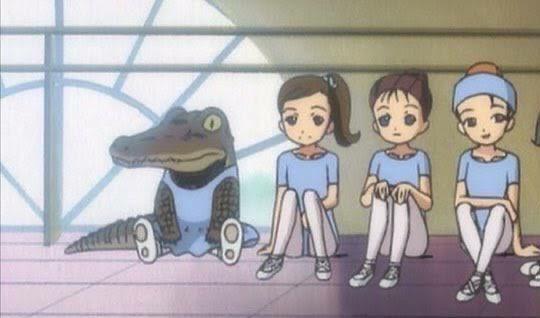
A theme that feels out of place, stands out
How do you choose a theme for your campaign?
The theme has to resonate first and foremost with you, the GM. Start with something that excites you. Borrowing or being inspired by literary themes is a reasonable approach. Taking something that has already been established in various well-built scenarios and stories sets you up with a good solid foundation and helps you avoid building everything on your own.
If you can define the theme with a brief phrase or sentence, you most likely have a solid concept to start building off of. However if you are having difficulties finding a short and simple way of defining your theme, you might want to workshop it further. Either by simplifying it or rephrasing the narrative. Something you cannot fit into a short sentence will most likely be either too complex to follow, or too vague for your players to understand.
Setting a main tone for your campaign does not mean that every other tone is banned from the story. Think of “guest tones”. Chapters in your story that sidestep from the main tone to allow for a brief change in pacing. For an overall heroic game, introducing a short story arc wrapped within a grim tone can be a great change of scenery for the players. And a way for their characters to feel the contrast between the two tones.
One-page pitch
Write a brief introduction to your game. Covering the theme, the tone, defining some truths or core beliefs of the world within the setting and a few pop-culture touchstones. The pop-culture touchstones help you define your campaign through third-party references that the players may be more familiar with.
How do you keep the theme consistent?
Sticking to the theme takes conscious effort, especially in the first few sessions. Once it settles in, it gets easier. The world starts to carry it for you.
Get your players on the same page as you. Manage everyone’s expectations and make sure the interest and willingness to stick with it is there across the board. If there are objections, make sure to go over them immediately, rather than leaving them lingering and unresolved.
Go over some specific themes that may be part of the story to make sure everyone is on board with those. A session zero helps everyone here.
The players need to build characters for the world. Not expect anything they bring to the table to be eventually somehow adapted to the story. A comic-relief based character will feel very alien in a grounded grimdark setting. Not impossible, but it will be a challenge or will need some boundaries to support the overall tone, not push it in a different direction.
The theme of the game will define the world: the NPCs, locations, events, monsters, loot and even the names. Taking your one-sentence overview of the theme and overlaying it on top of your session prep is a great way of checking whether you are staying true to your initial concept. If it is a sidequest, it still needs to feel connected and reasonable.
You will find defining recurring symbols and motifs very helpful. Anchored elements that help you keep the story connected to the theme, and make the world around the players feel connected. For example: ravens appear whenever betrayal is on the table.
Comic relief in a grimdark setting should never be banned. People, even heroes, under stress and strain have their coping mechanisms. Humor is one of them. It makes them feel more alive and real. If they break their seriousness and try to distract themselves from a situation that put them under a lot of stress, it should not be seen as an attempt to twist the tone.
But if these become constant - a discussion with your table is necessary. Make sure everyone is still on the same page and interested in the themes and tones you all set in the beginning.
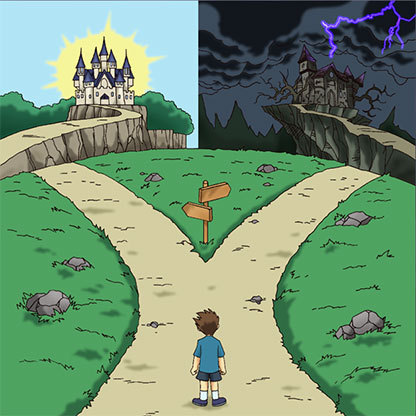
What causes tone drift?
Players react to your world, not your notes. That can pull the story towards a different tone. Don’t think of it as anyone intentionally (or accidentally) trying to sabotage your initial plan. It should be seen more as the story settling to find a more natural position. What started as a heroic adventure may eventually find a more accommodating place as grimdark, when the players’ actions and the world’s reactions meet.
If the initial tone is shifting far from the intended spectrum, you should analyze how it has changed and whether it feels natural and reasonable or whether it has been led by one dominating player pulling it in a direction they prefer. Based on why it has shifted, some adjustments can be made. Or if it feels like a natural progression of the story, it should be encouraged and supported.
The campaign belongs to the table, not to an individual. You can work endlessly trying to keep it on track, but if there is constant pull trying to shift gears and head in a different direction, it will cause too much strain on the natural flow of the narrative and the seams will eventually start to show.
When should you follow the table?
Sometimes the story does not want to go where you planned. You can fight it, or you can follow it. Neither choice is wrong, but it should be a choice, not something that just happens.
Follow the table when everyone is having more fun. Not one player. Everyone, and that includes you. A campaign that turned from grim survival horror into a tale of desperate clowns selling balloon dragons might be the best game your group has ever played. If it is, let it be.
Signs it's time to adapt
- The players light up when the new direction appears and go quiet when you steer back.
- They ask questions about the new thread between sessions.
- Attendance goes up, or at least nobody starts skipping.
- You catch yourself prepping the "wrong" story with more excitement than the right one.
Signs it's time to hold the line
- One player drives the change while the rest of the table goes along with it, but not happily.
- The new direction crosses something the group agreed to avoid in session zero.
- The shift only shows up as jokes, and the players still engage with the main story when it's in front of them.
If you aren't sure which list you're looking at, that's normal. Which brings us to the most useful step.
Ask. A two-minute check-in at the end of a session does more than an hour of guessing: "The last few sessions got a lot sillier. Are you enjoying that, or do you miss the darker stuff?" Some players won't say it to your face, so an anonymous question works too. Sure, we might be a bit biased, but
Groupmanager  https://groupmanager.gg
has feedback forms built for exactly this.
Test the waters first
You don't have to rebuild the whole campaign on a hunch. Try a small, temporary version of the new direction and watch how the table reacts. A single comedic sidequest, a one-session detour into the absurd, a festival that lets Sir Boblin run his balloon stall for one evening. If it lands, do more. If it doesn't, the main story is still right where you left it.
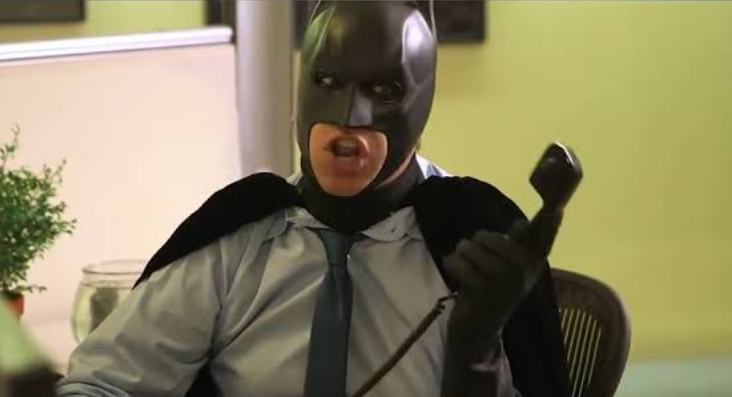
A sidequest with a different theme can still fit in your campaign story
Make the change on purpose
When you decide to adapt, say so out loud. Changing the tone quietly leaves players unsure of what kind of game they're in, and that uncertainty is what makes tone feel inconsistent in the first place.
- Hold a mini session zero https://groupfinder.gg/library/session-0-checklist-how-to-build-a-dnd-group-that-lasts. Fifteen minutes is enough to agree on the new theme and tone, and to check that nobody's limits have changed.
- Rewrite your one-sentence pitch. If you can't fit the new direction into a sentence, it isn't clear enough yet.
- Use the story as the hinge. A time skip, a new arc or a move to a new city gives the change a clear starting point in the fiction.
- Keep the anchors. The characters, the recurring NPCs and the open plot threads come along. A new tone with the same people still feels like the same campaign.
And if it turns out the old direction was better, the back door is still there.
Your campaign, your table
A theme and tone are not a contract. They're a starting point that you and your players agree on, and that you all keep coming back to.
Pick something that excites you. Say it out loud before the first session. Let it shape the world, the NPCs and the small details. Check in with your table now and then, and when the story starts pulling somewhere new, decide on purpose whether to hold the line or follow it.
Sometimes the grim horror campaign stays grim. Sometimes Sir Boblin opens his School of Farts. Either way, the best campaign is the one your whole table wants to come back to.
If you're starting a new campaign, put your theme and tone right into your
game post https://groupfinder.gg/list. Players who want the same kind of game will find you, and you'll spend less time steering and more time playing.
Questions and answers
Can a campaign hold more than one theme?
Definitely. While there should be one main theme of the narrative, it is a great idea to introduce side-stories with their own themes to break apart the story. Introducing a change in scenery can shake things up, keep the whole story fresh and help establish a good contrast between the themes.
Is comedy fine in a campaign that is trying to maintain a serious tone?
Of course. Stepping away from the main tone is refreshing, just like a side story with its own theme. Just make sure you return to the baseline.
What if one of my players is constantly breaking the tone?
Talk to them. Tried and true approach with most of the problems and situations in the tabletop gaming hobby. Have a chat with them outside the game, check in with them and try and understand why they are approaching the game in that manner. Perhaps it can be toned down, maybe it is “what their character would do”. If it makes sense - it makes sense. Talking about potential concerns should never be seen as reprimanding the player. It should be approached as you simply checking in to make sure everyone is still on the same page, or if the “page” should be expanded to fit their point of view.
Do I need a session zero even if I am only planning a one-shot?
Yes. Just like the one-shot, keep the session zero short too. There won’t be any long-lasting topics to cover. Just going over what the upcoming one-shot is going to touch on and making sure everyone feels comfortable with what the story may involve is a good way of keeping everyone engaged and interested in the game.